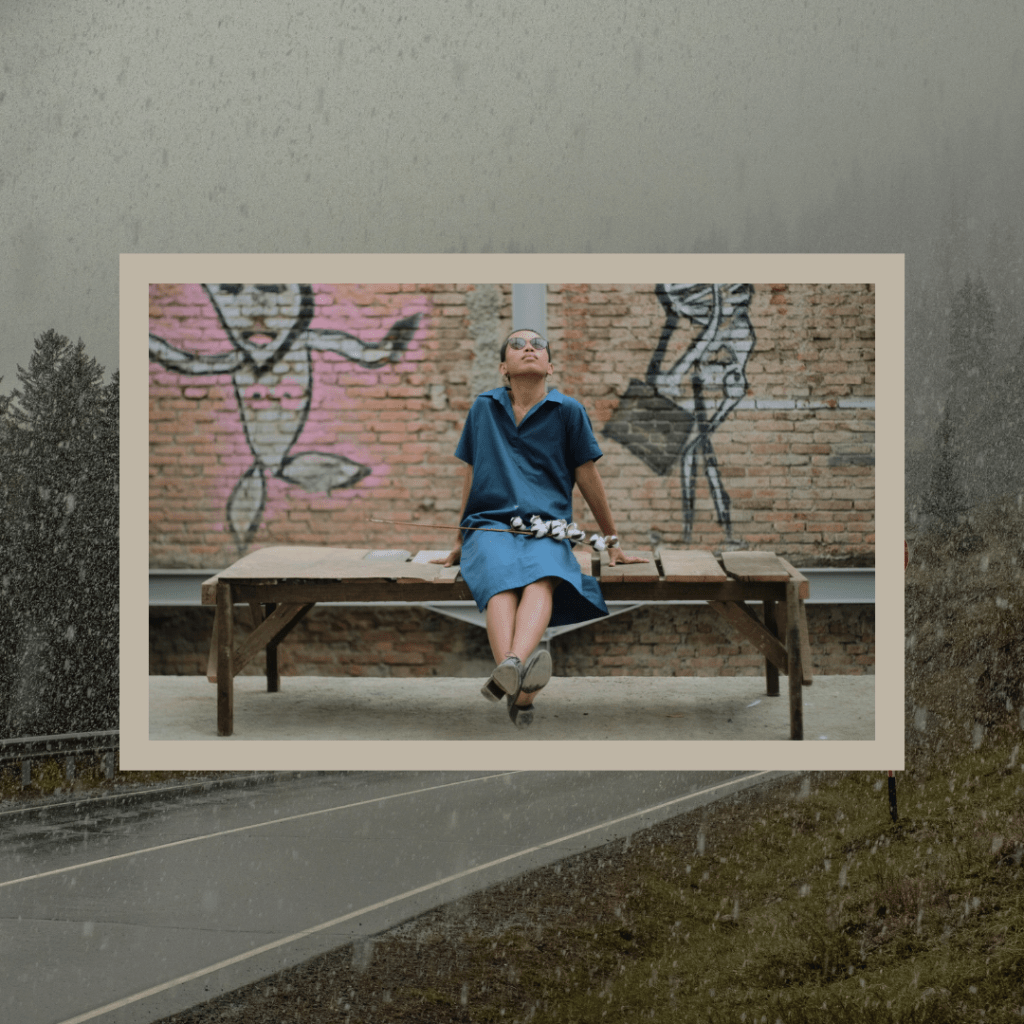

She Is Gayatri
Hi, my name is Gayatri. And I am living with chronic hepatitis B.
For the longest time, this was my secret, my silent shadow. I did not talk about it. I did not write about it openly. I did not even whisper it into my pillow at night. I was scared. Scared of judgement, of stigma, of being seen in a way I did not choose. Vulnerable.
But today, I am writing this because I believe in the power of stories. Stories are our mirrors, our bridges, our battle cries. And in a world where 254 million people live with chronic hepatitis B, silence does not protect us, it isolates us. So here I am, telling mine.
This journey has been anything but glamorous. It has been messy. Raw. There were nights when fear tucked itself into bed beside me and mornings when loneliness greeted me like an old friend. But even in the thick of it, I was not completely alone. I had Derwyn.
Derwyn is my partner. Since the very first day I was diagnosed with chronic Hepatitis B, he has been my anchor, my co-conspirator in healing. The one who stood with me when I could not stand on my own. Who fought for me when I did not have the energy to fight for myself. Derwyn, who believed in me fiercely, even when I stopped believing in myself.
When I was first diagnosed with Hepatitis B, I was paralyzed. I had no idea where to turn. And my parents, as sweet as they were, offered me what they knew: prayer. It was the answer passed down through generations, wrapped in faith and tradition. But while I respected their beliefs, I needed something else. I needed medication. I needed science. I needed support. At that moment, I felt like a balloon cut from its string, adrift and unseen.
***
I would never forget when the Indonesian doctor handed me my death sentence as casually as a weather update, “Ten years to live,” he continued. “If it was not being treated,” something in me cracked open. Soon, I met Dr. Grace Lim, a Singaporean doctor, and for the first time in this journey, I felt truly seen. I was not just a patient, but as a person.
She did not rush me. She did not toss around medical jargon like party confetti.
She sat. She listened.
And just like that, I was not merely surviving anymore, I was empowered. I was part of the team. I was fighting to live, fully and fearlessly.
***
But I was not the only story here. There was Derwyn and his family. They did not make a scene or act like heroes. They just showed up and helped. Quiet, relentless action. They researched doctors, and they asked the right questions that did not even come to my mind. Derwyn made appointments. He never left me. Every doctor’s visit, every blood test, every liver scan, and every bad news, Derwyn was there. He held my hand and held me up at every moment.
Unfortunately, however, what I did not see right away was that Derwyn was struggling too. He is struggling because caregiving is not just a role; it is an emotional marathon. And caregiver burnout does not always come with any warning signs. It creeps in. Slowly. Quietly. But not once, he let me fall. Not once did he give up.
The truth is, I learn, we learn that being a caregiver of people with serious illness carries a heavy load, whether it is physically, emotionally, or financially. And yet, somehow, they keep showing up even when the world forgets to ask how they are doing.
***
Looking back, I know this story is not just mine. It was Derwyn’s too. It is not only survivor’s story but it is every caregiver story.
It is about all the people who quietly show up and give everything they have got, often without applause or even acknowledgement. And it is about something else we do not talk about enough on how deeply our cultures and traditions shape the way we understand illness.
Sometimes, those beliefs uplift us. Other times, they keep us from getting the care we need.
***
It is also a reminder that healthcare is not just about pills and lab results. It is about people. Doctors like Dr. Grace Lim can change the entire narrative, not by curing us but by believing in us, by educating us. And I truly believe that when we empower patients and support caregivers, we do not just change lives, we build better communities.
I know I was lucky. I had Derwyn. But not everyone does. And that is why we need to talk about caregiver burnout, not in whispers but in headlines. Why? It is because loving someone through illness takes everything. And caregivers deserve support, recognition, and care of their own.
So perhaps, this is not just a tale about Hepatitis B. Perhaps, it is about love, it is about resilience. About what happens when you refuse to disappear. And perhaps, just perhaps, it is a love letter to every person who has ever sat in the waiting room, held someone’s hand, or reminded them that they are more than their diagnosis.
Because at the end of the day, healing is not just about medicine. It is about connection. It is about compassion. It is about daring to speak up and daring to keep going.
Together, we can change things. We can make it better. For patients. For caregivers. For all of us.
 She Is Gayatri
Leave a comment